New Doors · Port Whitby
Carriage-House Garage Door Installation in Port Whitby
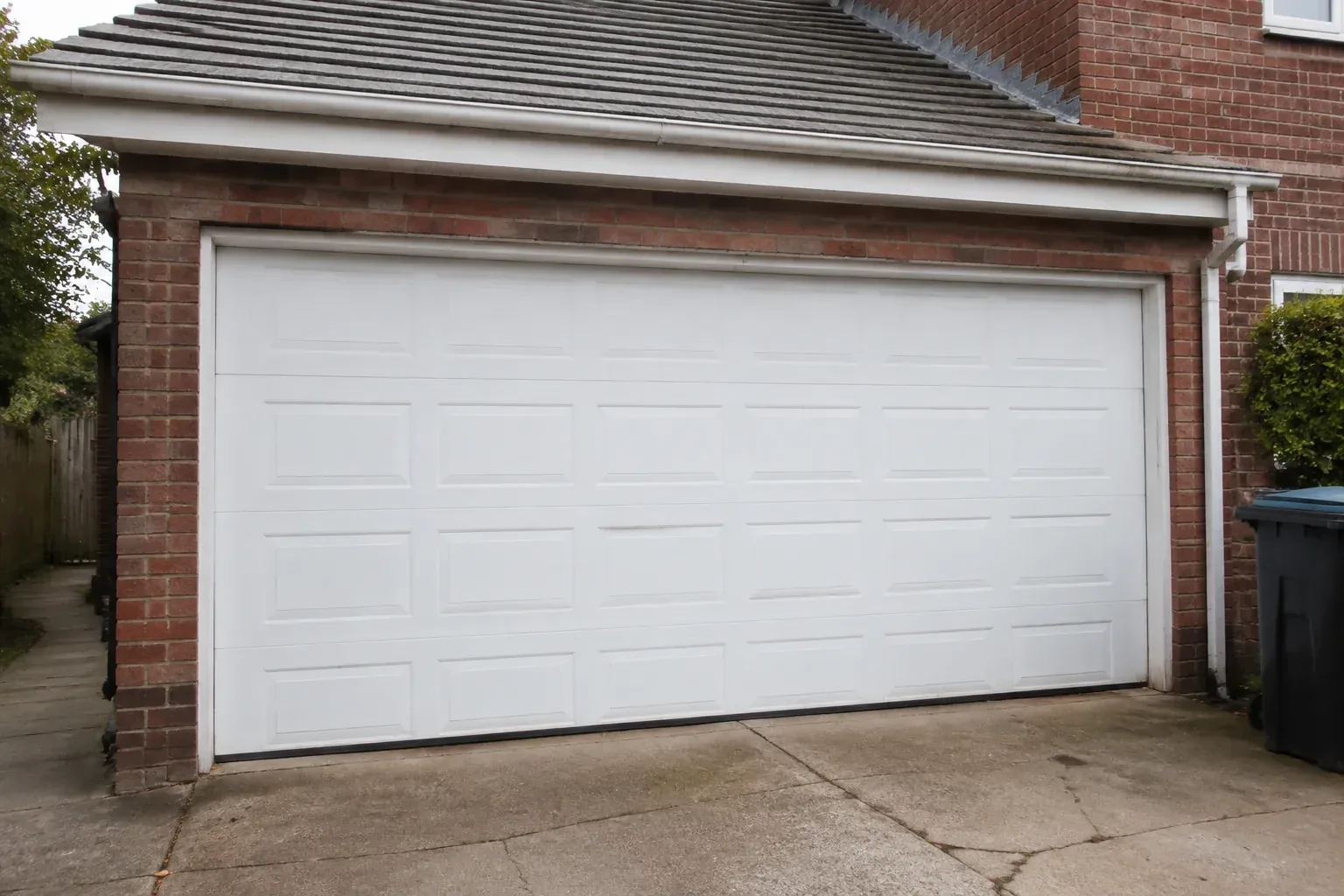
The existing door has reached the point where panels, rollers and finish all look tired.
In plain words
The completed installation includes more than hanging attractive panels. It covers removal planning, opening preparation, tracks, sections, rollers, hinges, springs, cables, seals, opener attachment and decorative pieces. Each component is installed in a planned order, followed by alignment and operating checks. At handover, the homeowner sees how the door moves, how the emergency release works, which routine care applies to the finish and hardware, and what product information should be kept for later reference.
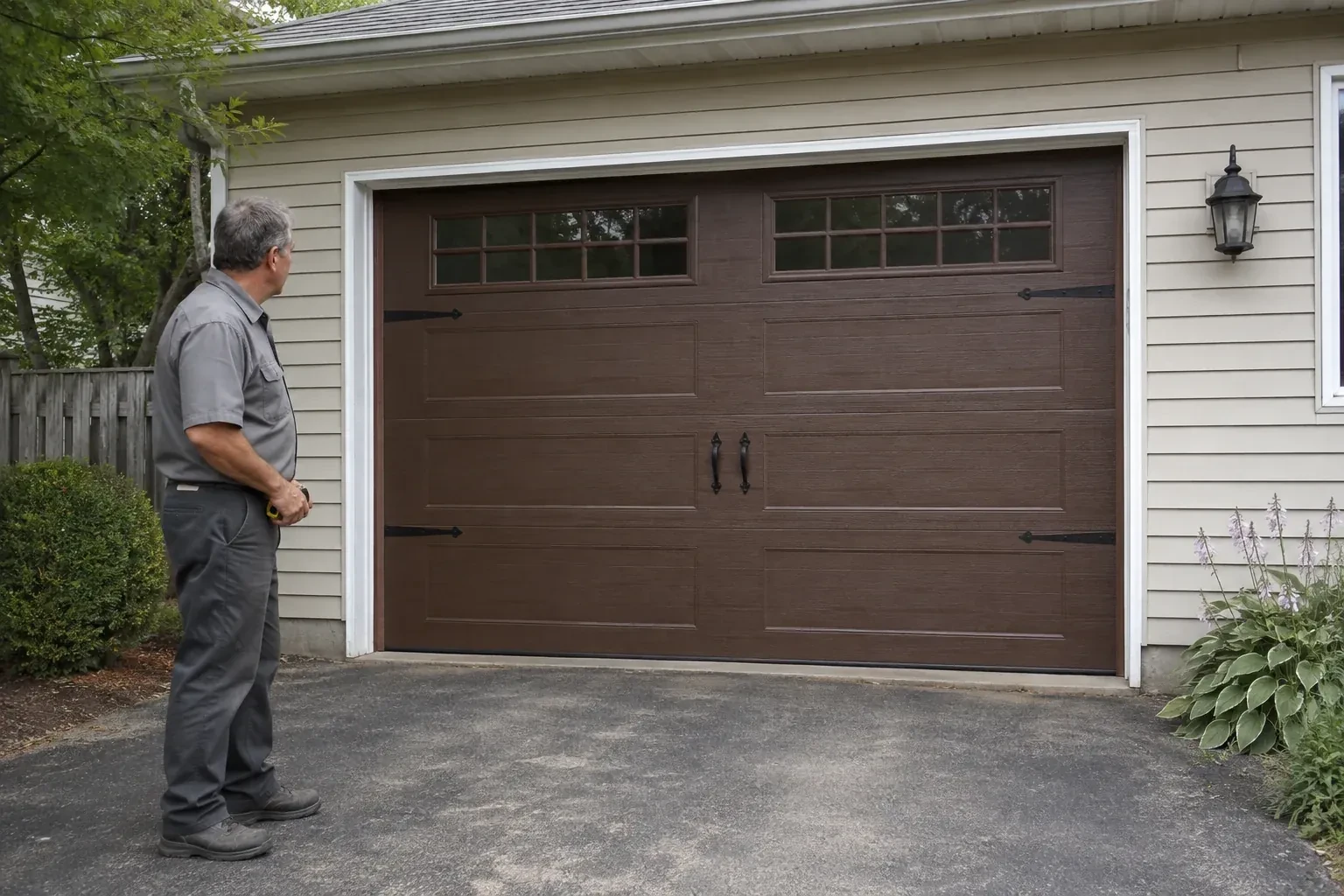
How the visit goesA front elevation update has brought new trim, lighting and a deeper colour palette, leaving the garage door as the remaining piece. Its pattern and finish now need to join the overall composition.
Carriage-House Garage Door Installation
How the visit goes
Reading the opening accurately
The first survey records the clear width and height at several points rather than relying on a nominal size. The technician checks whether the jambs are plumb, the header is level, the corners are square and the floor rises or falls across the threshold. These details affect section size, track position and how the bottom seal will meet the slab. Trim thickness and exterior stops are included as well, giving the selected door a reliable physical outline before its panel pattern is finalized.
Making way for the new assembly
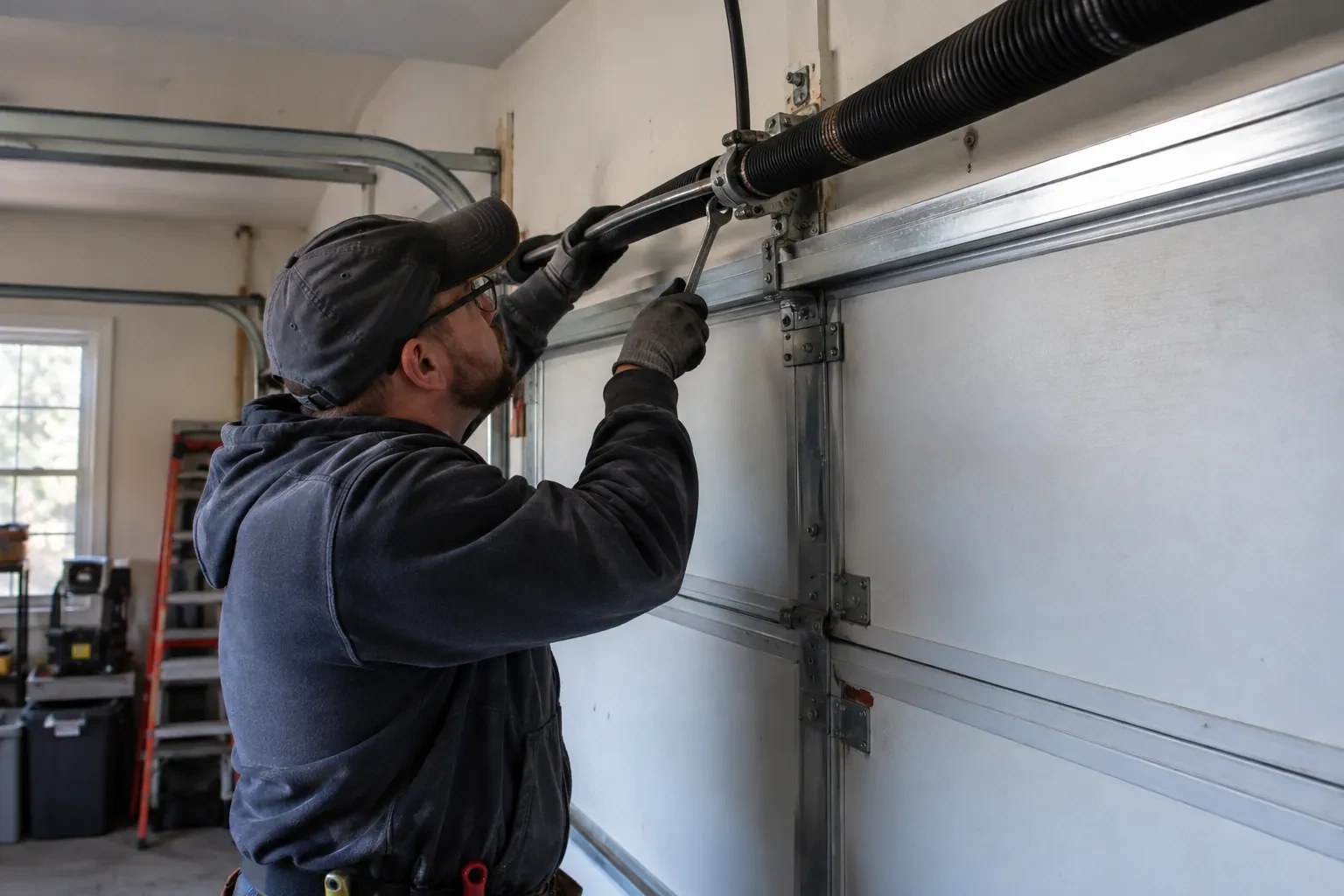
Removal begins with the old door closed and controlled. The opener is disconnected, the sections are secured and trained technicians release the spring system using the correct service tools. Cables, tracks and panels then come down in a deliberate sequence, with reusable building trim protected and the work area kept orderly. Once the opening is clear, old fastener points and mounting surfaces can be seen properly. A final measurement check at this stage confirms that the prepared opening matches the ordered system before new components are placed.
Useful information kept with the garage
Product identity, finish details, glass choice, spring information and relevant door and opener instructions form a valuable closeout record. Keeping them together near the garage gives future service work an accurate starting point and helps the household follow the intended care products and test procedures. The final record can also note the decorative layout and any separate opening preparation completed before installation. Years later, those details are more dependable than trying to identify sections, colour or hardware from memory and photographs alone.
Carriage-House Garage Door Installation
In the van
Composite or wood overlays
Side and top seals
Bottom weather seal
Reinforcement struts
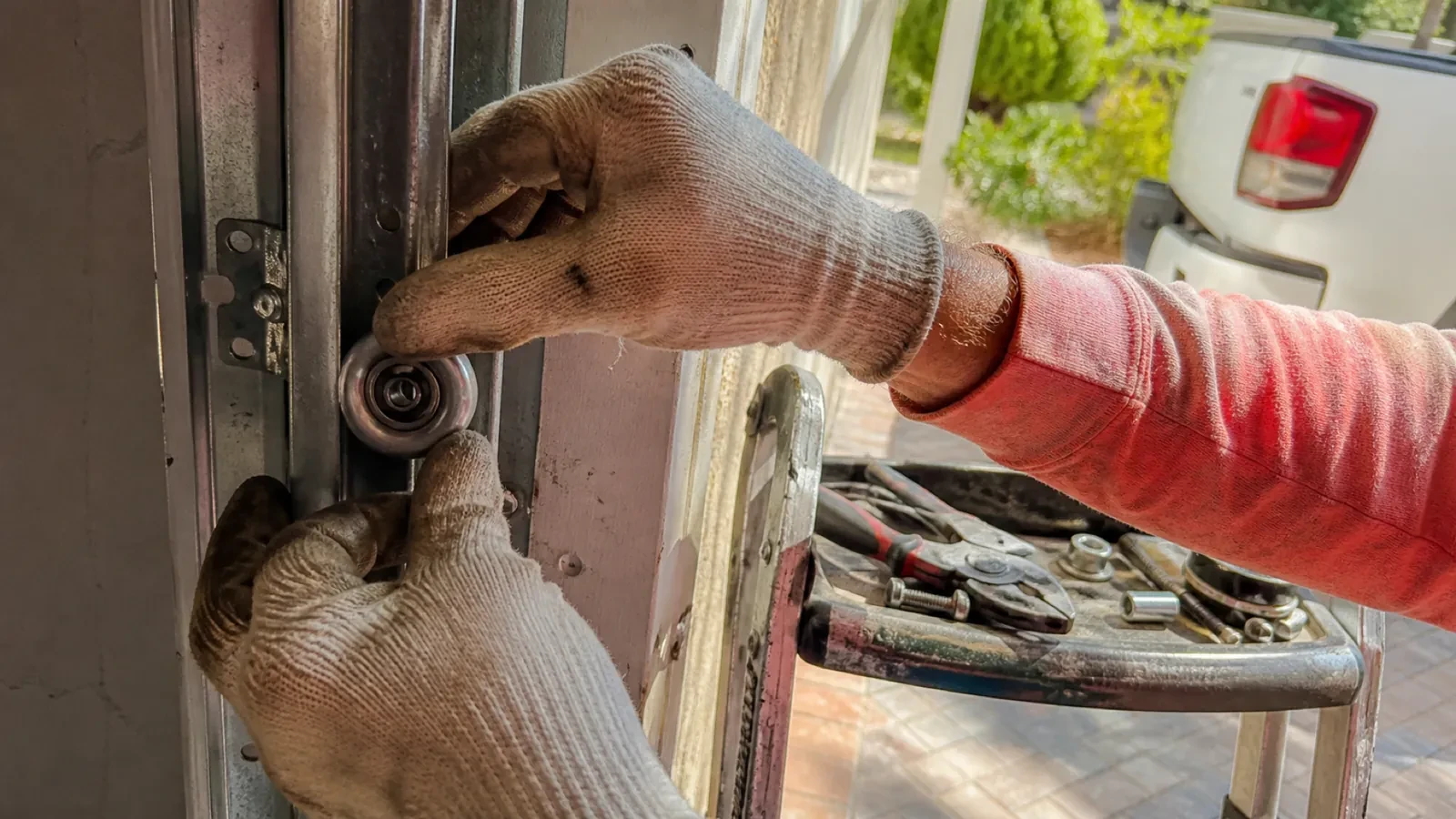
Hinges and rollers
Carriage-House Garage Door Installation
What affects the quote
Removal of the current system
Door material, spring type, glazing, track condition and access all influence controlled removal. Disposal or requested retention of old sections and hardware is identified in the scope.
Threshold shape and sealing needs
A level slab accepts a straightforward bottom seal, while dips, crowns or a worn edge can require another seal profile or coordinated threshold preparation to improve closure.
Door weight and counterbalance design
Overlays, glass and reinforcement affect finished weight. Springs, shafts, drums, cables and bearings are selected for that assembly, so a heavier design changes the required lift components.
What to have ready
- Which exterior colours and materials should the door complement?
- Are decorative handles, straps or other accents important?
- Do you prefer steel, composite overlays or wood?
Carriage-House Garage Door Installation: questions
QuestionsWhich opener safety checks are completed after installation?
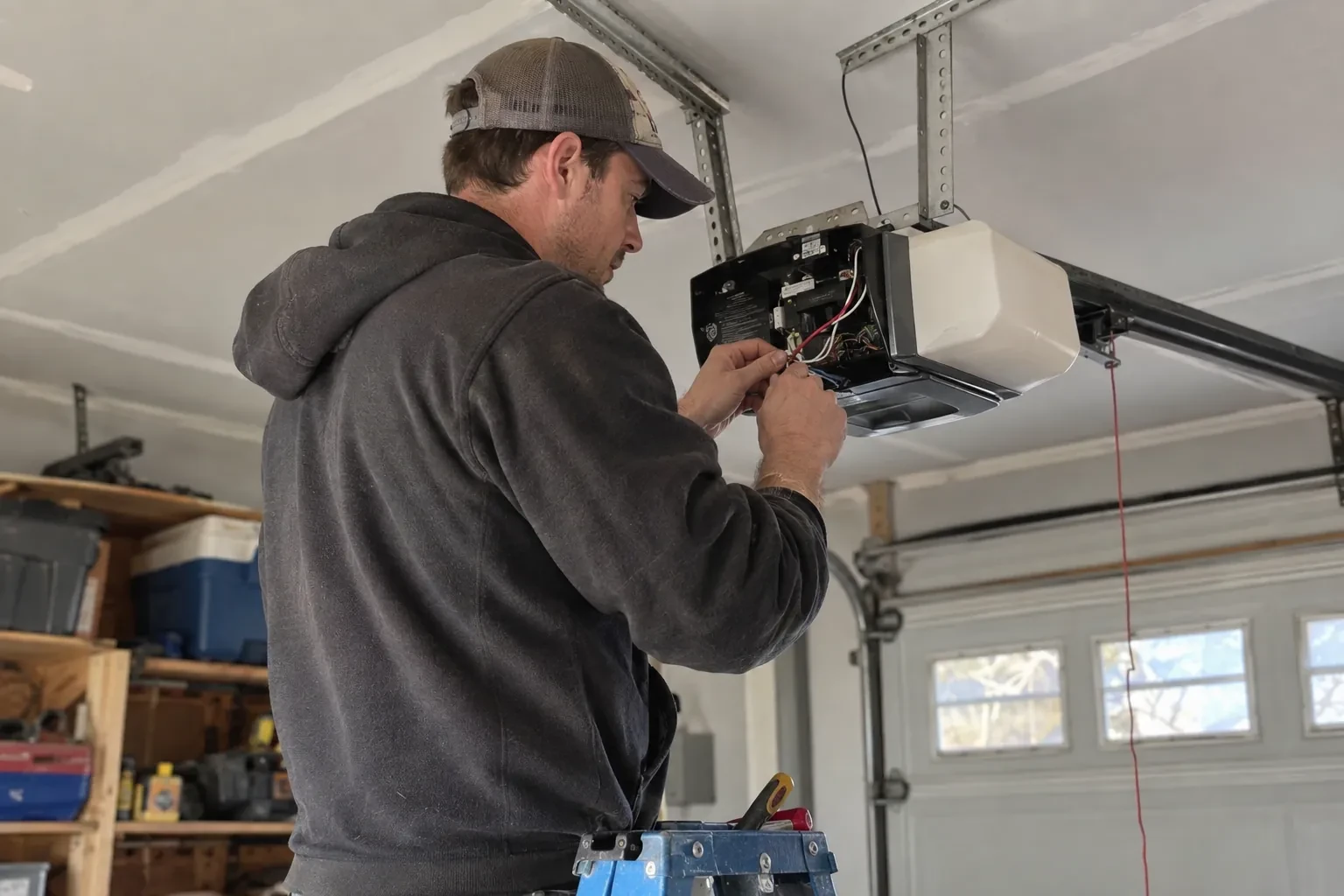
The technician confirms that photo eyes are aligned and respond when their beam is interrupted during closing. Contact reversal is tested according to the opener instructions, and open and closed travel limits are reviewed. Wall controls, remotes and the manual release are also operated. These checks connect the automatic equipment to the new door's actual movement instead of carrying forward former settings.
Will my current garage door opener stay in place?
That depends on its supported door size and weight, rail arrangement, condition, controls and safety features. The assessment compares its product information with the selected door and checks whether the attachment can be reinforced correctly. When it remains, travel and force are reset for the new balanced assembly. Any opener change is identified separately in the planned scope.
How often should I inspect the installed door?
Regular visual checks are useful, with the owner's information setting the specific test and lubrication schedule. Watch the door travel, keep tracks and photo eyes clear, and look at rollers, hinges, cables and seals without adjusting tensioned parts. A change in balance, sound or movement is useful information to record and share when arranging maintenance by a door technician.
Related services
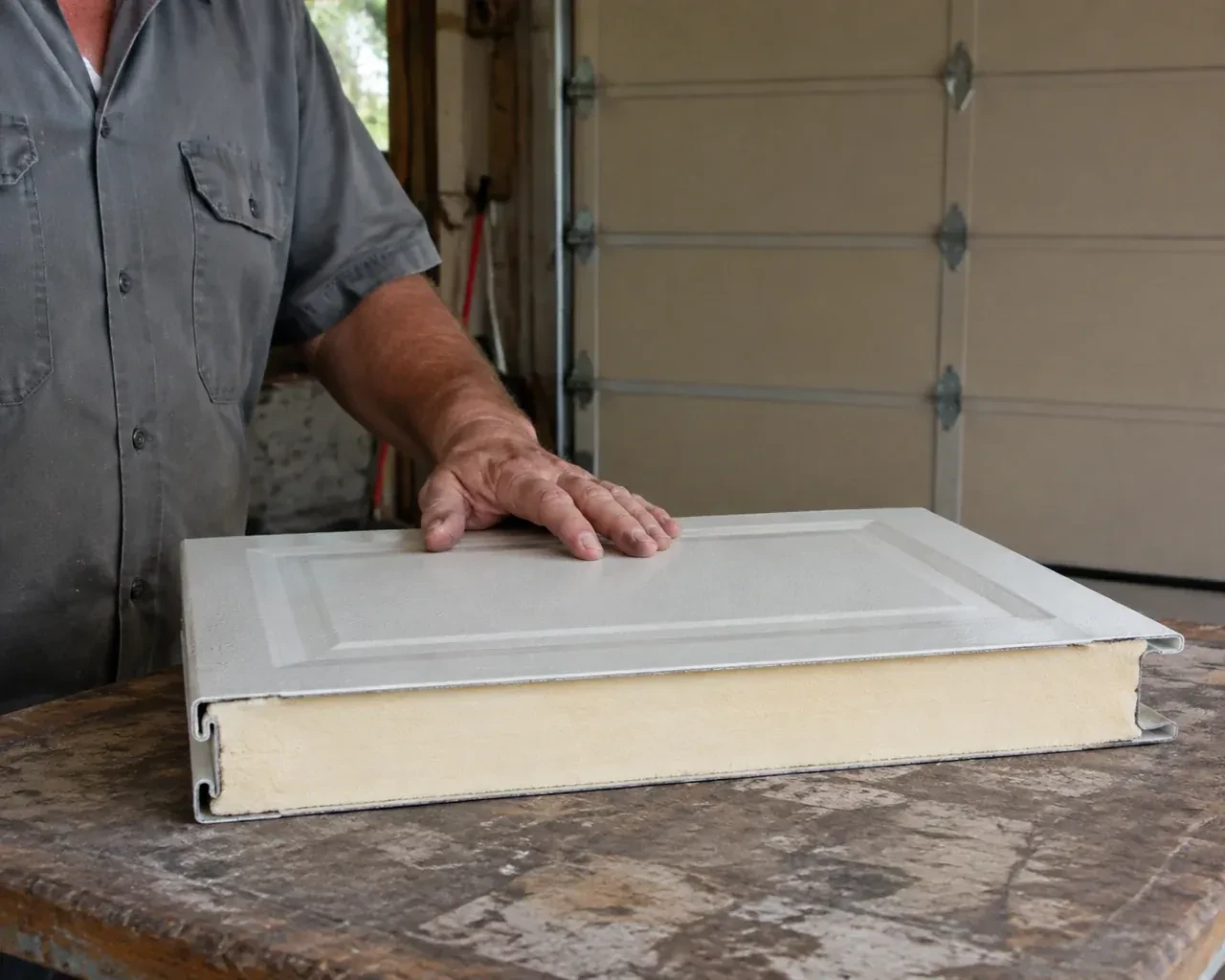
- Insulated Steel Garage Door InstallationYour garage is becoming a workshop, but the thin single-skin door rattles, sweats and lets outdoor temperatures shape the whole room.
- Wind-Rated Garage Door ReplacementA recent wind event left one section slightly creased, a strut twisted, and several track fasteners loose.
- Full-View Glass Garage Door InstallationYour renovation has given the house clean modern lines, but the old raised-panel garage door now looks out of place.