Springs · Whitby
Garage Door Roller Replacement
A roller near the top corner is riding on the lip of the track rather than inside it, and the section above leans back a little more each week.
In plain words
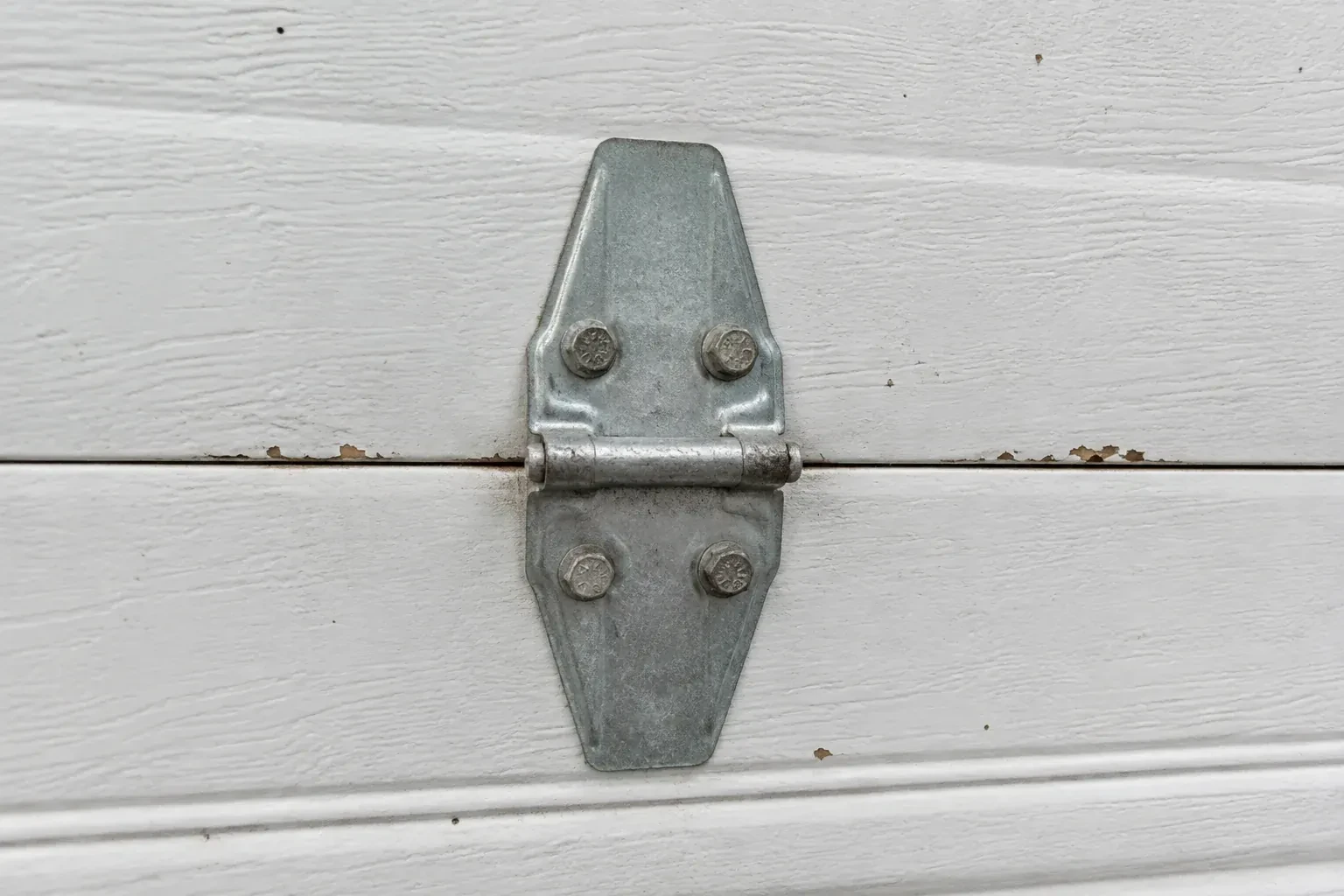
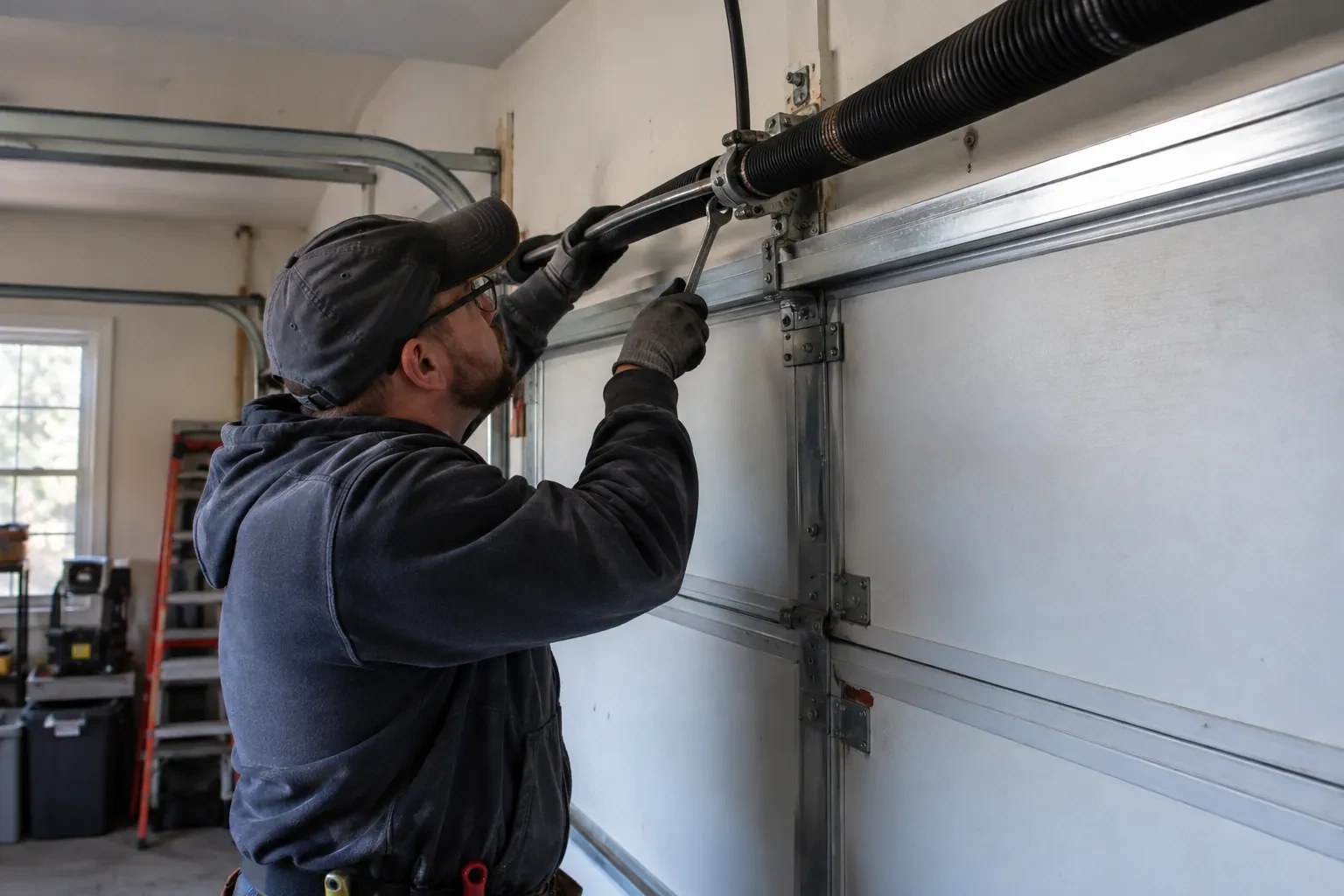
Rollers are often changed as part of a wider tune-up rather than on their own. They wear at about the pace of the hinges, and a door that needed new springs has usually worn its rollers along the way, which is why many technicians suggest a fresh set whenever springs are replaced. Doing them together means the door is secured and the opener disconnected once, the hardware is tightened in a single pass, and everything that touches the track is new at the same time. If your door is already booked for spring, cable or hinge work, ask about the rollers.
How the visit goesEvery morning the door announces itself: a rattle on the way up, a grinding squeal on the way down, loud enough that the neighbours know when you leave. A spray of lubricant settled it for a day or two, then the racket came back.
Garage Door Roller Replacement
How the visit goes
What the winter left behind
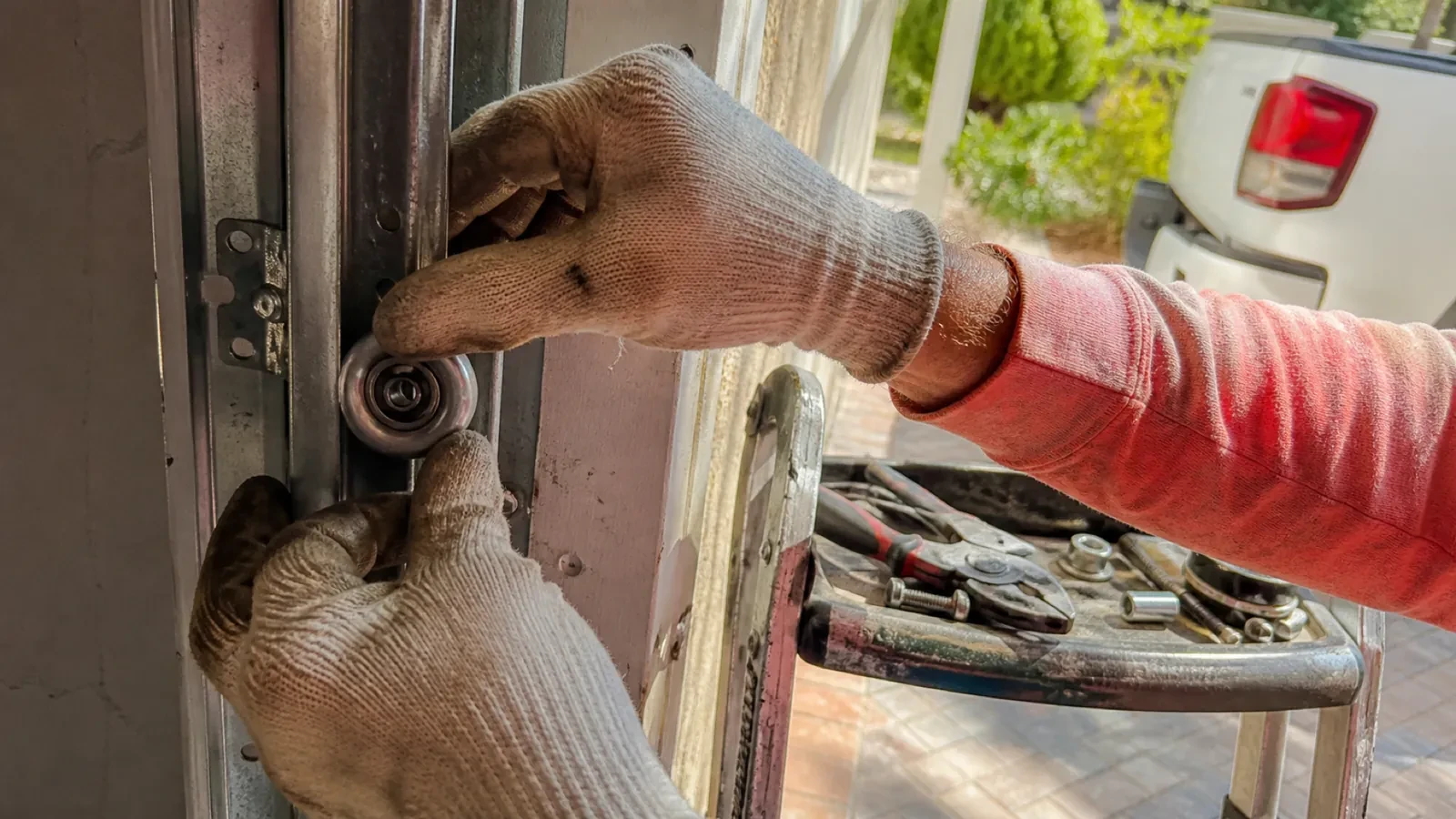
In this climate the foot of the track is where trouble collects. Slush and salt carried in on the tires settle in the bottom few inches, freeze overnight into ridges and leave a brine that attacks steel. The technician looks for corrosion on the bottom rollers and their stems, rust on the bottom brackets, ice damage or flat spots on wheels that have been skidding rather than turning, and the state of the lifting cables that share that wet corner. Finding salt damage here steers the recommendation toward sealed-bearing rollers and a thorough track cleaning, and occasionally toward new bottom brackets as well.
Lubricating the right parts, and not the wrong ones
Fresh rollers deserve the right lubricant in the right places. Roller stems and hinge knuckles get a light coat of the door manufacturer's specified lubricant, worked in by running the door a few times. The nylon tire itself is left dry, as is the inside of the track, because grease on those surfaces collects dust and grit that grind the wheel and let it slide instead of turn. Ball bearings are lubricated only where the roller's own maker calls for it, since some nylon rollers should not be greased at all. The technician wipes away any excess so nothing drips onto the car or the floor.
Planning the next set
New ball-bearing nylon rollers on a residential door typically give seven to ten years of ordinary use before they are due again, and sealed-bearing types often longer, while a door that cycles many times a day wears everything sooner. A sensible rule is to have the rollers looked at whenever the door is serviced and to replace them as a set when the springs are next changed, since both wear on a similar timeline and the door is already secured for the work. Industry guidance suggests a professional look at the whole door once a year, with rollers on the list.
Garage Door Roller Replacement
In the van
Bottom brackets
Sealed-bearing nylon rollers
Replacement numbered hinges
1-1/2 inch reversal test block
Track clamps or locking pliers
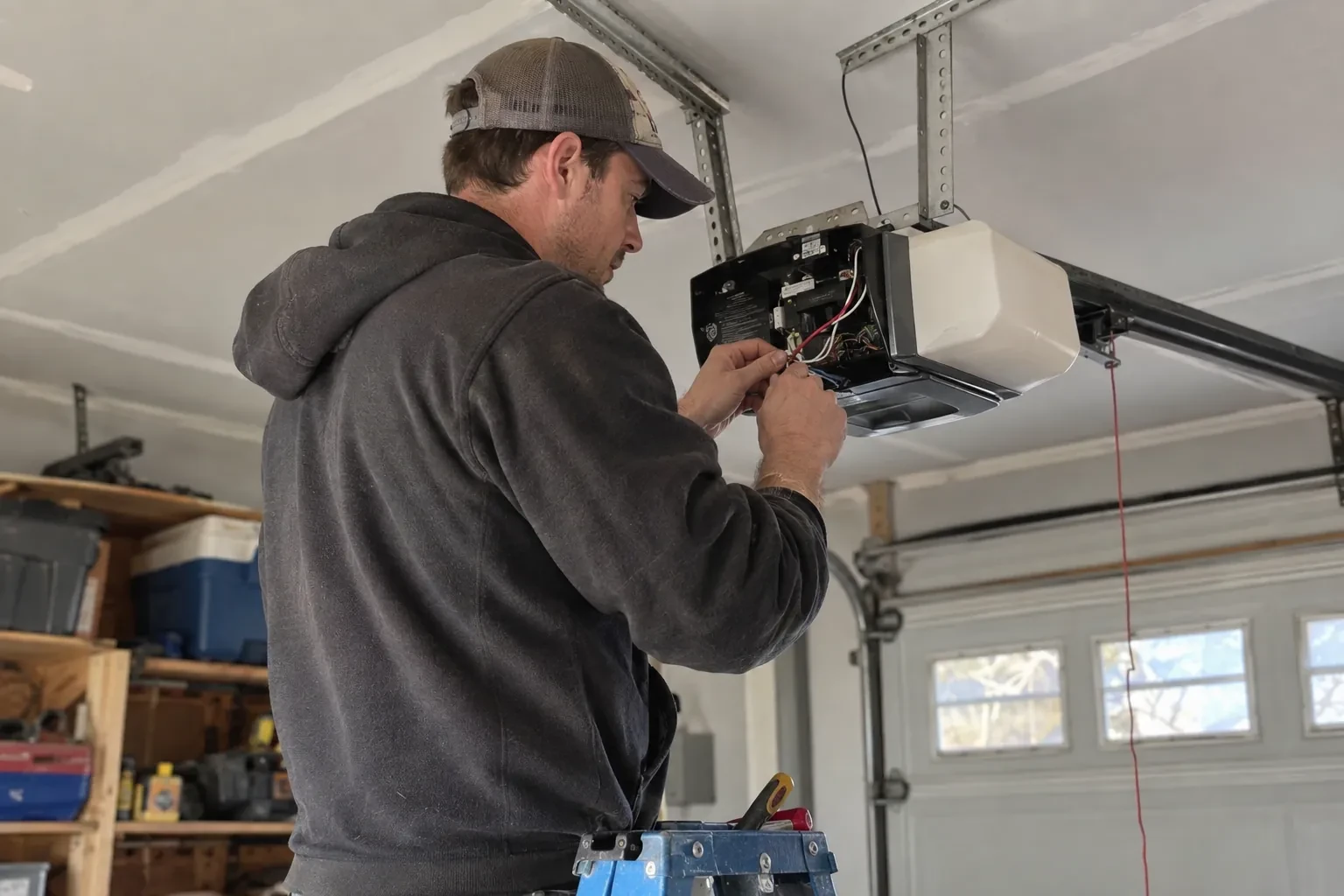
Garage Door Roller Replacement
What affects the quote
Number of sections and rollers
A four-section door carries ten rollers and a five-section door twelve; taller doors with more sections, or doors fitted with extra rollers at the top, add to the set, and the quote follows the count.
Access around the tracks
Shelving, stored items or a vehicle that must stay in place slow the work along both tracks; clear access from floor to ceiling means less time on site.
Track alignment and repair
Realigning jamb brackets, straightening a dented lip or replacing a damaged length of track is separate from the roller work and quoted as such when the inspection finds it.
What to have ready
- Has the door ever come off its track or been hit by a vehicle?
- Is there rust, slush or salt residue in the bottom of the track?
- How many sections does the door have, and is it wood, insulated steel or single-skin?
Garage Door Roller Replacement: questions
QuestionsCan worn rollers make the door come off its track?
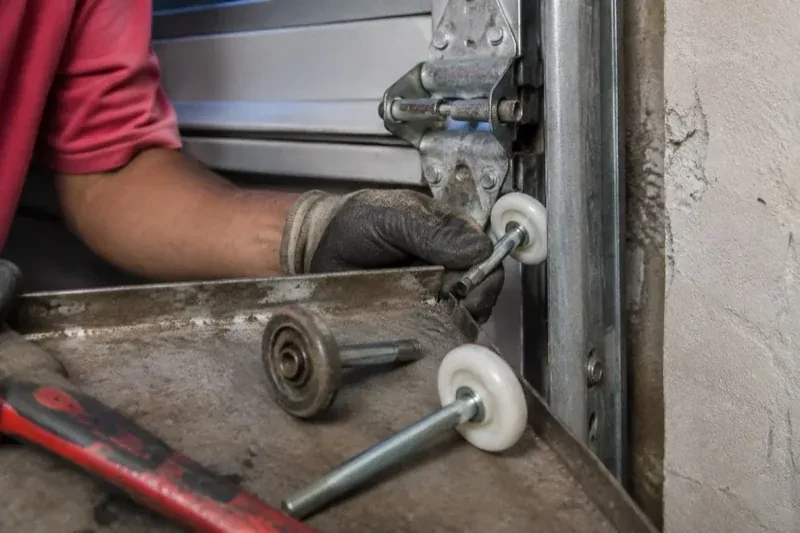
Yes, and it is one of the main reasons to replace them before they fail. A wheel worn oval, a bent stem, or a short stem sitting loose in a double hinge lets a section drift until the wheel climbs onto the track lip; from there a bump or a gust can carry it out entirely. A door hanging crooked is a far larger repair than a set of rollers. Fresh, correctly sized rollers seated in a squared track are what keep the door where it belongs.
Will new rollers make my door quieter?
Usually, and often dramatically. Rollers are the only part of the door that touches the track, so most of a door's clatter starts there. Moving from worn steel or bare plastic wheels to nylon ball-bearing rollers changes the sound more than any other single part. The rest of the quiet comes from the same visit: hinges lubricated, loose bolts tightened, the track squared so nothing rubs. Springs can still squeak on their own, and the technician can treat those separately.
What does stem length mean and why does it matter?
The stem is the steel shaft that passes through the hinge or fixture and carries the wheel. Most residential doors use a four-inch stem through a single hinge. Heavier doors have two hinges stacked at the ends of each section, and those need a seven- or ten-inch stem so the shaft reaches through both. A short stem in a double hinge sits loose, lets the wheel lean, and is a common reason a door leaves its track. The technician counts the hinges before choosing the set.
Related services
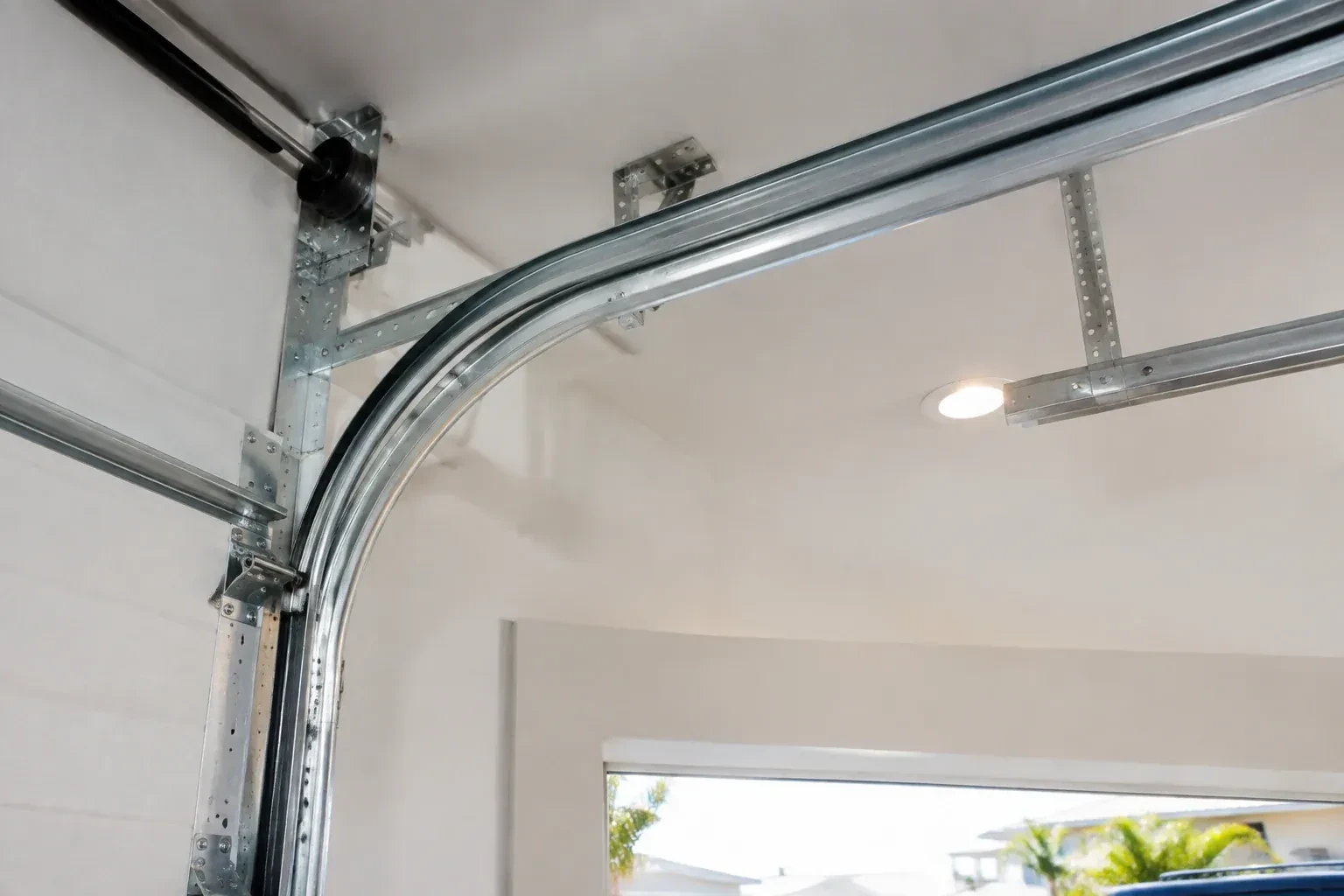
- Garage Door Track Repair or ReplacementYou bought the house with a door that sticks near the top of its travel.
- Garage Door Cable ReplacementSomeone left the snow shovel leaning in the opening and the door came down on it.
- Torsion Spring ReplacementOn a cold morning the remote does nothing useful: the light comes on, the motor turns briefly, the door stays shut.