Springs · West Lynde
Extension Spring Replacement in West Lynde
Open the door by hand and it drifts back down on its own, a little at first and then all at once.
In plain words
Every extension spring should carry a containment cable, and replacement is the moment to make sure yours do. A containment cable runs through the centre of the spring and is anchored at both ends, to the rear hanger and to the bracket at the front of the track. It does no lifting; its purpose is to hold a spring that breaks so the pieces stay on the cable. Many older doors predate this practice, which a home inspection checklist checks for. When springs are replaced, new containment cables are fitted with them, which keeps a broken spring's pieces contained, not the door's weight, balance or safety.
How the visit goesYou pulled the red cord to open the door during a power cut and it barely moved. Lifting it took your whole weight, and when you let go it came down hard. It used to float up with one hand.
Extension Spring Replacement
How the visit goes
Containment cables, present or missing
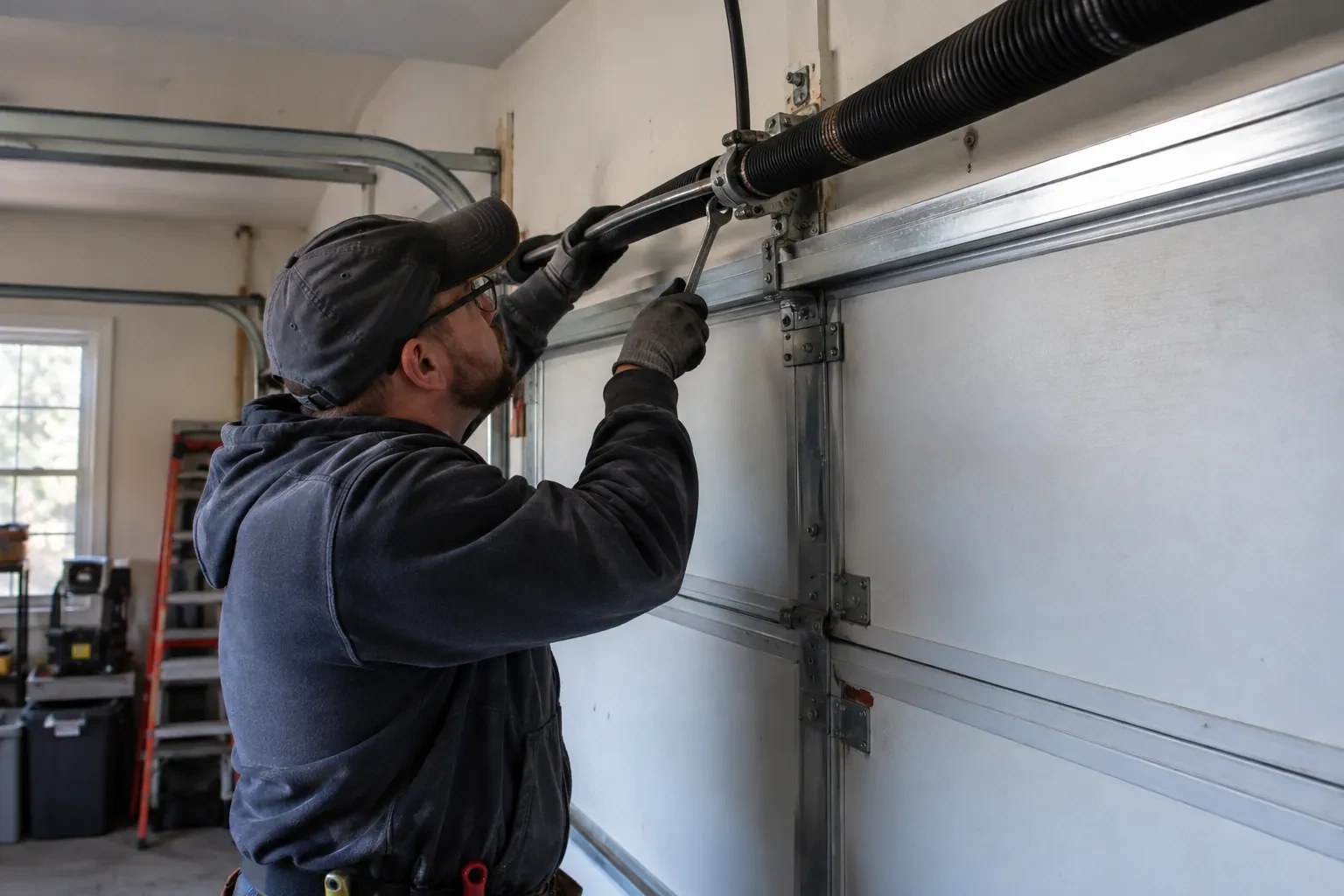
The question the industry's own inspection checklist asks of every extension-spring door is whether each spring has a cable running through its centre, anchored at both ends. The technician checks for it on both sides, then checks its condition: a cable that is frayed, kinked, anchored to a loose screw or simply tied off to the hanger is not doing its job. Doors installed decades ago often have none at all, and doors that had a spring changed by a previous owner sometimes have one side fitted and one forgotten. Fresh containment cables go on with the new springs, and their anchor points are set into solid framing so that a spring which breaks stays on its cable.
Setting both sides to the same hole
The initial tension is set with the door open and clamped, so the technician is adjusting slack springs rather than loaded ones. Each cable's S-hook is placed in a hole on the hanger, or its clip set to a mark, and the two sides are put at the same position. The cables are drawn to the same snugness so that neither corner of the door is being pulled ahead of the other. A level across the top section confirms the door is square in its tracks. Only when both sides read the same do the clamps come off and the door come down for its first balance check.
A clear threshold and an honest opener
Two habits protect the new springs from the shocks that shorten a spring's life. The first is the floor: a door that comes down on a bin, a bike wheel or a ridge of packed snow stops short while the springs and cables are still pulling, and the jolt can throw a cable off its pulley. Keep the opening clear and scrape the ice ridge off the threshold before running the door in winter. The second is the opener's force setting. It was set for the newly balanced door; if the door ever seems to need more push, that is the springs asking for attention, not a reason to turn the force up.
Extension Spring Replacement
In the van
Containment (safety) cables
Track clamps or locking pliers
Lag screws and hanger bolts
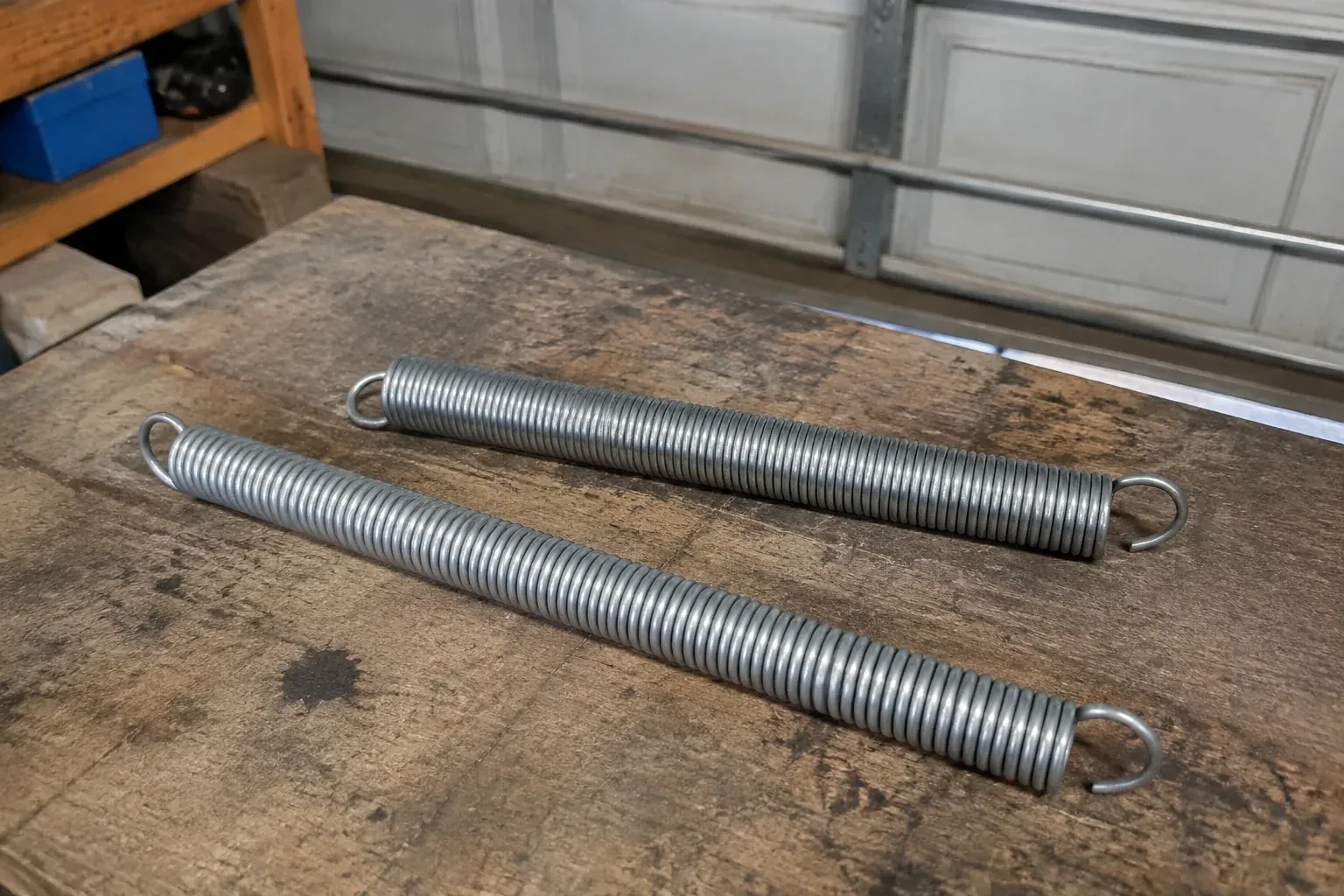
Extension springs, matched pair
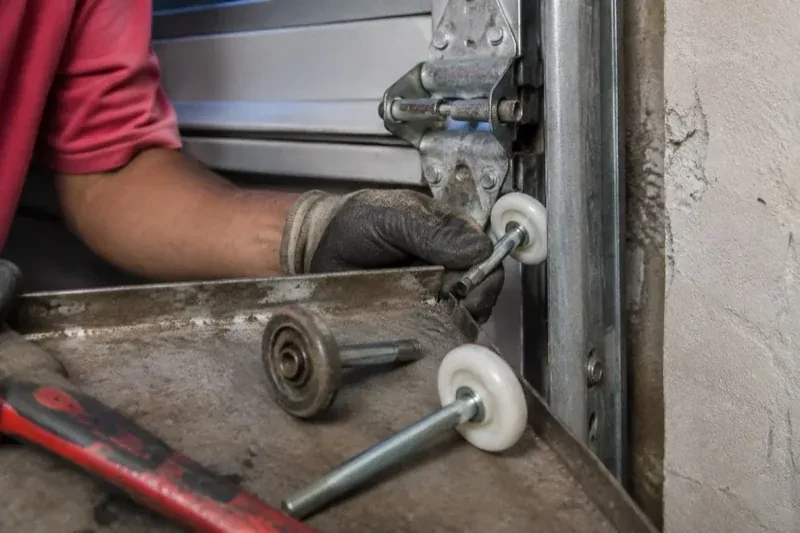
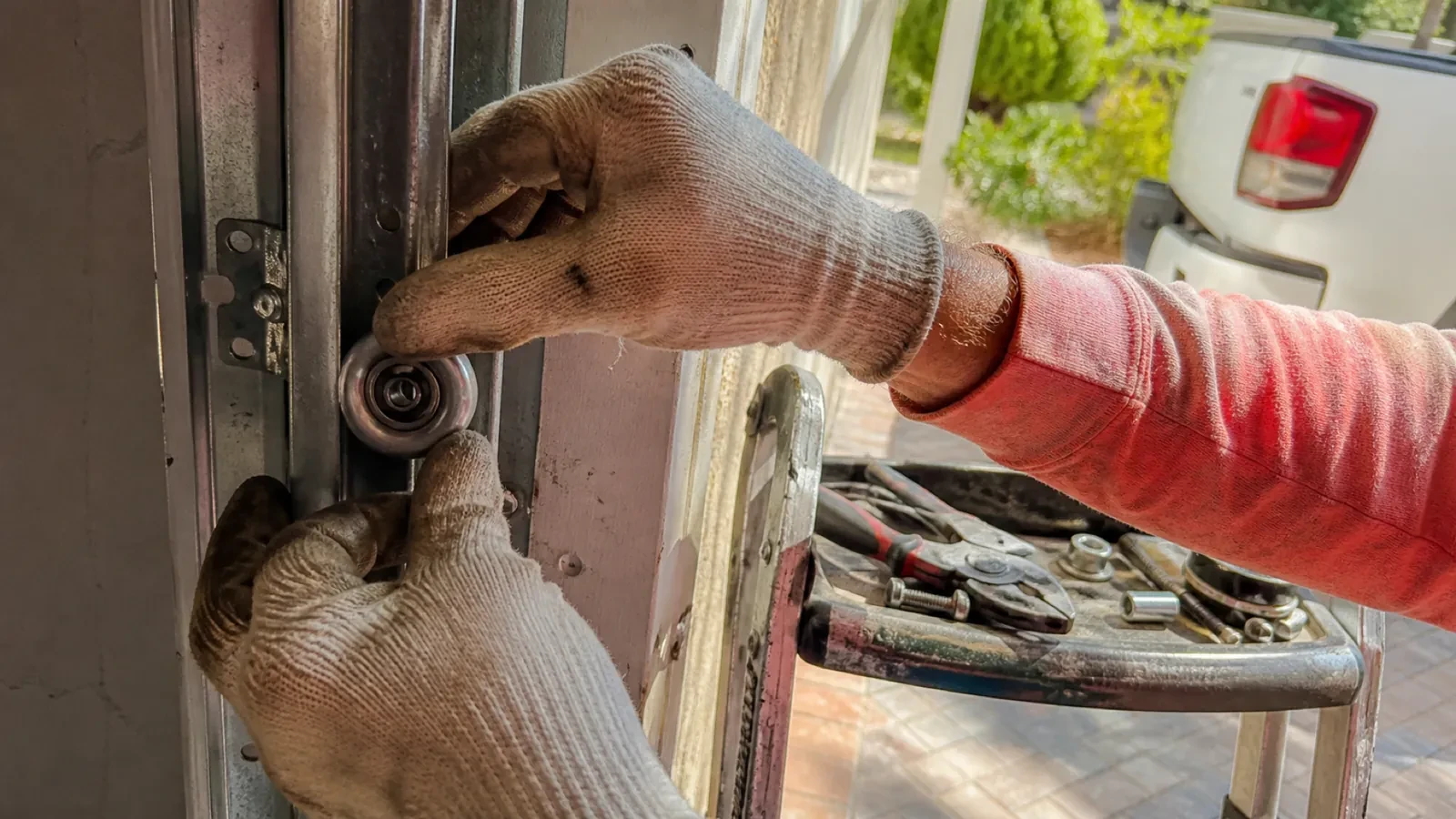
Replacement rollers and hinges
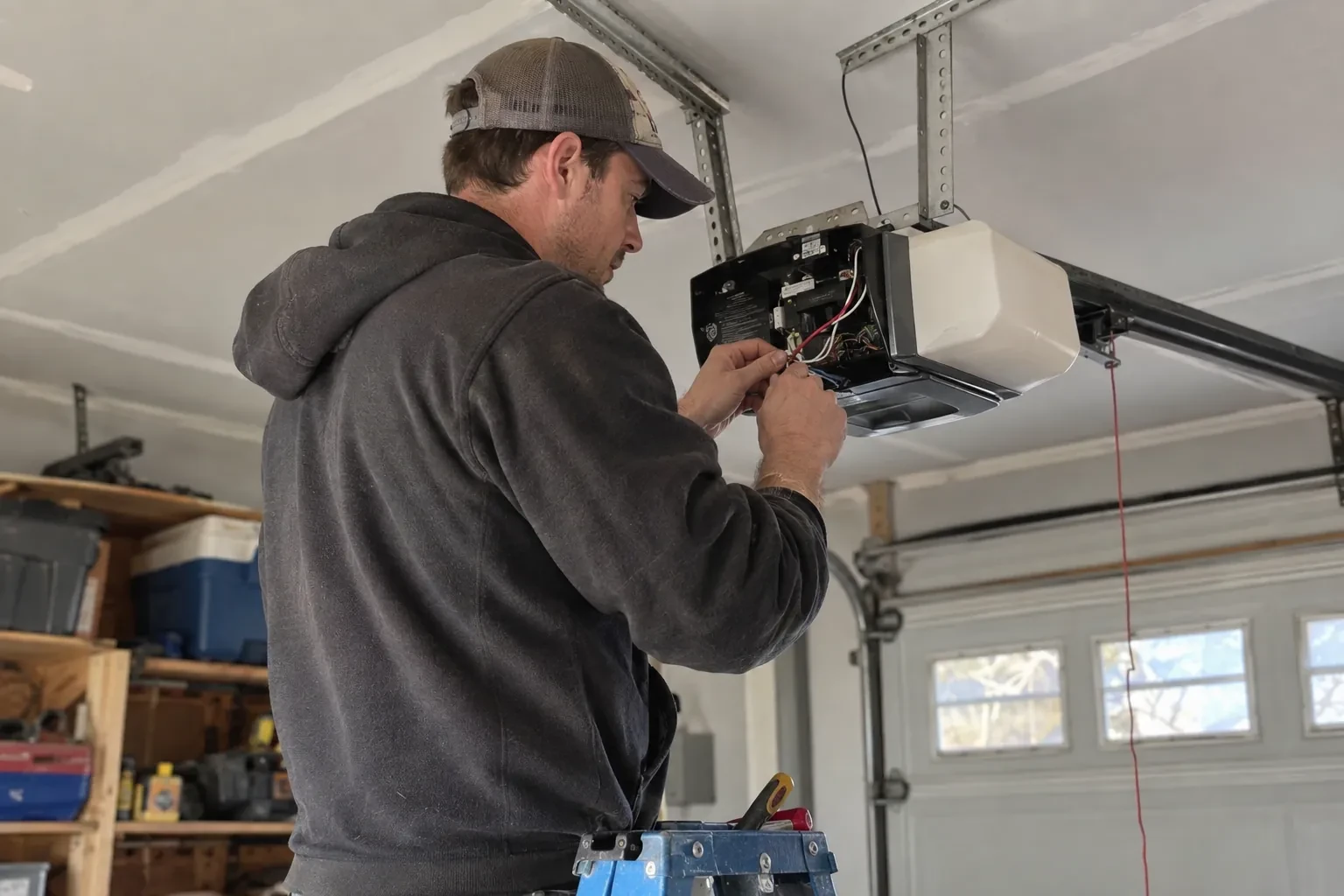
Extension Spring Replacement
What affects the quote
Door weight and size
Spring rating follows the door's weight, and a wide insulated door or a wood door takes heavier springs than a light single. Weight and height together set the parts on the quote.
Converting to torsion instead
Where the garage has the headroom, some owners take the opportunity to move to a torsion system. That is a different job with different hardware and is quoted as its own option.
Hangers and anchor points
A rear hanger that has loosened, a front bracket bent by a jumped cable, or framing that needs a new anchor point adds fasteners, angle iron and a little time.
What to have ready
- Is a spring broken in two, hanging loose, or just looking stretched?
- Is there a thin cable running through the middle of each spring?
- Is the door closed, fully open, or stuck partway?
Extension Spring Replacement: questions
QuestionsWhat is a safety cable, and does my door need one?
A safety or containment cable is threaded down the inside of each extension spring and fixed at the hanger behind and the bracket in front. It carries no load in normal use. If a spring snaps, the cable keeps the broken halves in place beside the track. Every extension-spring door should have one each side, and the industry's inspection checklist asks for it. Doors installed decades ago often have none; they are added with the new springs.
Could I switch to torsion springs instead of replacing the extension ones?
Sometimes, and it is worth asking. A torsion system needs room above the door opening for its shaft and a header that can carry the spring bracket, which many older garages with a low ceiling simply lack; extension springs are there for that reason. Where the headroom exists, a conversion is a separate job with its own hardware and quote. The technician can tell you on the spot which route suits your garage.
What does the paint colour on the end of the spring mean?
Manufacturers dab a colour on the end coil to indicate the spring's weight rating, which is a handy starting point. It is not the final word: a faded or repainted end coil tells you little, and the pair on an older door may have been a near match rather than the right one. The technician treats the colour as a hint and confirms the rating from the door's measured weight and the spring's own dimensions.
Related services
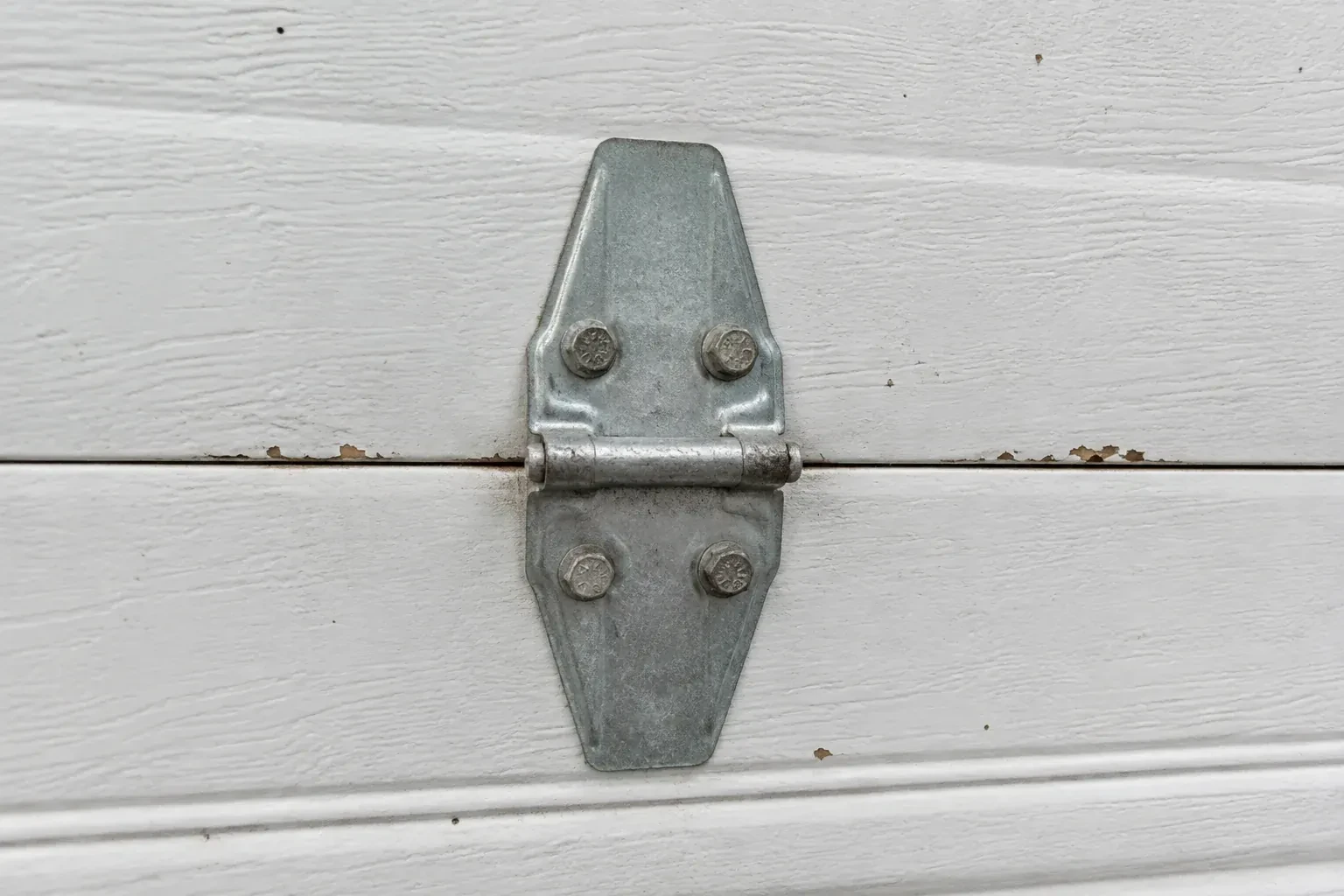
- Garage Door Hinge ReplacementEvery time the door goes up there is a sharp pop from the same spot, about a metre off the floor, and the whole door gives a little shudder.
- Garage Door Track Repair or ReplacementYou bought the house with a door that sticks near the top of its travel.
- Garage Door Cable ReplacementSomeone left the snow shovel leaning in the opening and the door came down on it.